Healthy Eating

Key Points
- A healthy eating strategy has weight loss benefits, as well as facilitating optimal health.
- There are "bad fats" that should be avoided and "good fats" that help promote health and well being.
- Choosing carbohydrates that have a low Glycaemic Index (Gl) will help maintain energy levels throughout the day.
- It is important to stay well hydrated. Water is the best drink.

Topics
- Healthy food choices
- Healthy drink choices. Phase One food and drink choices
Introduction
It is important for you to choose healthy foods and drinks that provide your body with the vitamins and minerals it needs, to help you maintain optimal health.
This module outlines the importance of making healthy food and drink choices. The number of kilojoules / calories you need to consume in a day depends on your age, size, metabolic rate and level of physical activity.
1. Healthy food choices
The major ingredients in food can be divided into those that contain energy (which is measured in kilojoules or calories) and those that do not. Macronutrients that contain energy are carbohydrates, fibre, fats, proteins and alcohol.
Vitamins, minerals and water do not contain kilojoules/calories.
In order to facilitate your healthy weight goals, it's a good idea to consume foods that are high in vitamins and minerals, without consuming excessive energy.
As shown to the side (click through each slide), these different macro nutrients contain different energy densities, providing different amounts of energy (kilojoules/calories) per gram.
Energy in guide (in calories and kilojoules):
Carbohydrates
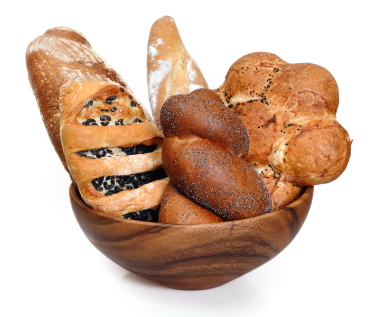
Carbohydrates are the main source of energy for your body. Carbohydrate foods, such as bread, pasta or rice, are broken down into glucose (sugar), which is readily absorbed into the bloodstream.
Blood glucose levels are affected by both the quality and quantity of the carbohydrates eaten.
The quality of carbohydrates refers to the Glycaemic Index (Gl), which indicates how rapidly blood sugar is raised after their consumption.
Carbohydrates are classified on a scale of 0 to 100, where scores less than 55 are described as low Gl, 56 to 69 are considered medium Gl and scores above 70 are high Gl foods.
Low Gl foods (such as wholegrain breads, rolled oats, pasta, beans and lentils) take longer to digest and increase the sugar levels in the body more evenly and consistently to sustain energy levels for longer periods of time.
This means an individual will feel more satisfied after consuming these foods because energy is being slowly released into their bloodstream.
High Gl foods (such as sugary cereals, white bread, soft drinks, ice-cream, lollies and chocolate) will give you a quick, temporary "sugar hit" as they are faster to digest but may leave you feeling hungry and lethargic soon after eating them.
In summary, the type of carbohydrates is important but also the total amount eaten has to be considered for its effect on blood sugar levels - just because something is low Gl, it doesn't mean it can be eaten in large quantities.
The best way to maintain good sugar control is to eat reasonable amounts of high fibre, low Gl foods regularly and spread them out over the day.
Fat

As fat contains more than twice the energy of other nutrients, cutting down on the fat you eat is an effective way of reducing your kilojoule intake.
Some simple ways to reduce your fat intake include:
- Trim as much visible fat from your meat as possible.
- Choose low-fat dairy options, such as low-fat milk and cheese.
- Steam or microwave your food instead of cooking in oil.
- Avoid adding high fat salad dressings or mayonnaise.
In the long term, it is more than just the amount of fat you eat, it is the type of fat that you eat that really matters.
The 'bad fats' are saturated and trans fats. Typically, these are found in animal products, and in processed foods. Some foods such as margarine, butter and oil are made up entirely of fat.
However, most of the 'bad fats' we consume are hidden ingredients in foods such as cakes, biscuits, chocolate, salad dressings, potato chips and takeaway foods.
The 'good fats' are the monounsaturated and polyunsaturated fats, such as omega-3. These are found in: nuts, seeds, avocado, olive oil, sunflower oil, salmon and other oily fish.
These fats protect your heart and are essential to physical and emotional health. They are needed to provide your body with energy, help with the absorption of various vitamins and they also play a role in the production of certain hormones.
However, you still need to limit the amount of 'good fats' you consume in order to work towards your healthy weight.
During Phase One, whilst kilojoule restriction is the goal, and you are replacing 2 meals a day with KicStart VLCD's, you will not need to supplement your meals with additional 'good fats'.
In Phases Two and Three, moderate amounts of 'good fats' are going to be part of your nutritionally balanced eating plan.
Protein
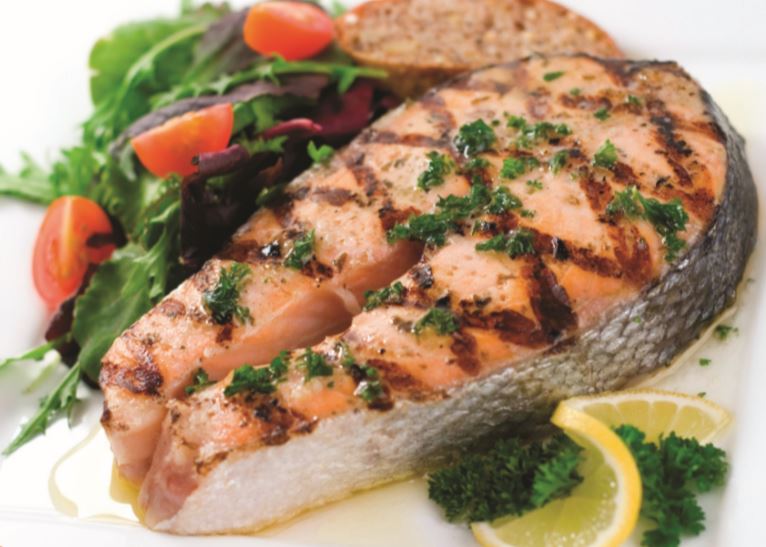

Your body needs protein for the growth and repair of cells. Protein is also necessary for the production of some hormones and enzymes in the body, as well as providing a healthy immune system.
Proteins are broken down into their amino acid components. Foods that are high in protein include: meats, poultry, fish, eggs, cheese, yogurt, soy beans, legumes, beans, nuts and some grains.
You just need to keep an eye on the fat content of some of these high protein foods, as the fat component can lead to high cholesterol, so moderation is the key.
Studies show that it is important to maintain an adequate intake of protein whilst losing weight. Protein intake helps you sustain muscle mass, so the weight you lose is mostly fat, not muscle.
As your body uses more energy to digest protein than fats or carbohydrates, the consumption of protein has been found to influence your metabolic rate, favourably influencing weight loss.
Studies have also shown that protein is more satisfying than the other two macronutrients, with people reporting feeling "fuller" after consuming protein, thus avoiding snacking between meals.
2. Healthy drink choices

As almost two thirds of your body is made up of water, it is vital that you maintain hydration. Water is used in the body to help remove waste products, regulate body temperature, lubricate joints, digest food and carry oxygen around the body.
Every day, you lose water through your breath, perspiration, urine and bowel movements.
If you don't consume enough fluid to replace what you are losing, the effects of dehydration include feelings of dizziness, lack of concentration, headaches, fatigue, dry mouth and eyes. Longer term effects of dehydration include constipation and kidney stones.
Your fluid needs will depend upon your body weight, your health, how active you are and the climate in which you live. On average, you are advised to drink at least eight glasses of fluid per day. Your body needs to be well hydrated to stimulate weight loss.
Plain water is the best liquid to drink, as it contains no calories. Water is also a natural appetite suppressant, so is helpful in a weight loss strategy. Drinking water aids in metabolism, as your body heats the water consumed to body temperature, energy is used.
3. Phase One food and drink choices
During Phase One of the Healthy Weight For Life™ program, your nutritional needs are provided via the two sachets of KicStart™ plus the portions allowed in your main meal using the Portion Planner Disc.
As you move through the program, and the meals replaced each day with KicStart™ VLCD are reduced, the Portion Planning Tools incrementally help you to select the right combinations of protein, carbohydrates, fat, fruit and vegetables, in the right quantities, every day and for every meal.

In Phase One, in order to get the best results possible it is preferable to try to avoid alcohol.
If you do choose to have a drink of alcohol during Phase One, we suggest that you try to balance it out with some extra physical activity. The energy in one full strength beer or a standard glass of wine is approximately equal to a 30 minute walk.
For specific advice on your alcohol consumption it is best to discuss you individual circumstances with your GP.